Loading...
Healthcare Access14 min readUpdated
Women's pain undertreatment statistics: why the same score gets less relief
In ED data spanning two countries, women with pain complaints were less likely than men to leave with an analgesic prescription (38% vs. 47% in a two-campus Israeli series). They waited longer, their pain scores were recorded less often, and IUD insertion pain was long treated as optional. The citable numbers behind a live clinical story.

Written By
Dr. Sarah Jenkins
Board Certified OB/GYN

Medically Reviewed By
Dr. Emily Chen
Chief Medical Officer
Share
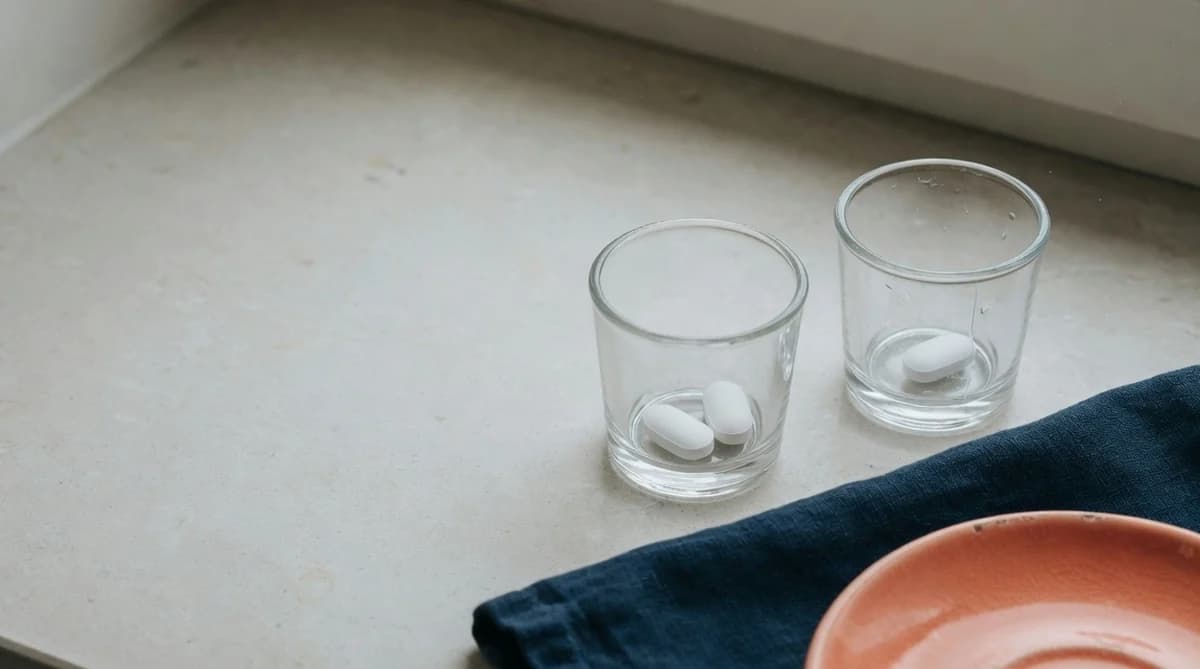
She rated her abdominal pain an 8 when the triage nurse asked. Two hours later she still had not been offered anything stronger than acetaminophen. The chart said "anxious," which was fair enough, but it did not explain why the man next to her, same complaint and same pain number, got IV morphine before his CT. She left with a prescription she never filled and a quiet conviction that she had been dramatic.
I hear a version of that story more often than I like. It follows IUD insertions scheduled with a "little cramping" script, multi-year waits for endometriosis diagnoses, and visits where chronic pelvic pain is reclassified as stress. The pattern is not every patient. It is frequent enough to show up in large EHR analyses and national surveys, and in the 2025 ACOG guidance that treated in-office gynecologic pain as a clinical problem rather than a character test.
Below are the numbers a reporter can cite with the primary source attached: emergency analgesia by sex, wait times, chronic-pain prevalence, diagnostic delay, research funding bias, and the IUD pain literature that forced a practice change.
Key takeaways
- In a 2024 PNAS analysis of 17,576 Israeli ED discharge notes for pain complaints, 38% of female patients received any analgesic prescription versus 47% of male patients; a U.S. Missouri replication found 26% versus 31% (Guzikevits et al.).
- Women waited a median of 16 minutes longer for analgesia in a U.S. ED abdominal-pain cohort (65 vs. 49 minutes), and after adjustment were 13% to 25% less likely than men to receive opioids (Chen et al., Academic Emergency Medicine, 2008).
- In 2023, 25.4% of U.S. women had chronic pain and 9.6% had high-impact chronic pain, higher than men (23.2% and 7.3%), per NCHS Data Brief No. 518.
- 29% of U.S. women ages 18-64 who saw a provider in the past two years said a doctor dismissed their concerns, versus 21% of men (KFF Women's Health Survey, 2022); in 2024, 1 in 10 women said a provider refused pain medication they thought they needed.
- Providers underestimated maximum IUD-insertion pain almost twofold (patient mean 64.8 mm vs. provider 35.3 mm on a 100-mm VAS; Maguire et al., 2014). ACOG Clinical Consensus No. 9 (2025) now recommends offering local anesthetics for IUD insertion and other in-office uterine and cervical procedures.
38% vs 47%
of female versus male emergency patients with pain complaints received any analgesic prescription at discharge in a large Israeli ED series. The gap persisted after adjustment for reported pain score and remained directionally consistent in a U.S. replication.
Guzikevits et al., Proceedings of the National Academy of Sciences, 2024
+30 min
Additional ED length of stay for female vs. male pain patients
Guzikevits et al., PNAS, 2024
25.4%
U.S. women with chronic pain in 2023
NCHS Data Brief No. 518
64.8 vs 35.3
Patient vs. provider mean max IUD pain (mm VAS)
Maguire et al., Contraception, 2014
Women's pain undertreatment at a glance
- ED any analgesic (Israel campus series)
- 38% women vs. 47% men (PNAS 2024)
- ED any analgesic (U.S. Missouri series)
- 26% women vs. 31% men (PNAS 2024)
- Opioid for abdominal pain (U.S. ED, adjusted)
- Women 13-25% less likely than men (Chen 2008)
- Chronic pain, U.S. women 2023
- 25.4% (men 23.2%), NCHS
- Concerns dismissed by doctor
- 29% of women vs. 21% of men (KFF 2022)
- Endometriosis time to diagnosis
- Average 4-12 years worldwide (WHO)
| Measure | Women | Men | Source |
|---|---|---|---|
| Any analgesic prescription at ED discharge (Israel, N=17,576) | 38% | 47% | Guzikevits et al., PNAS 2024 |
| Opioid prescription at ED discharge (Israel) | 19% | 25% | Guzikevits et al., PNAS 2024 |
| Nonopioid prescription at ED discharge (Israel) | 18% | 21% | Guzikevits et al., PNAS 2024 |
| Any analgesic prescription (U.S. Missouri, N=4,275) | 26% | 31% | Guzikevits et al., PNAS 2024 |
| Any analgesia, acute abdominal pain (U.S. ED, N=981) | 60% | 67% | Chen et al., 2008 |
| Opioid analgesia, acute abdominal pain (U.S. ED) | 45% | 56% | Chen et al., 2008 |
| Median time to analgesia, abdominal pain | 65 min | 49 min | Chen et al., 2008 |
| Pain score recorded by triage nurse (Israel) | 37% | 41% | Guzikevits et al., PNAS 2024 |
Sources: Guzikevits et al., PNAS 2024 (Studies 1 and 2); Chen et al., Academic Emergency Medicine 2008. Cohorts and settings differ, as do adjustment methods; percentages are as reported in the primary papers.
| Year | Chronic pain prevalence |
|---|---|
| 2016 | 20.4% |
| 2019 | 20.4% |
| 2021 | 20.9% |
| 2023 | 24.3% |
Sources: 2016 and 2021 estimates cited in CDC MMWR chronic pain report (Rikard et al., 2023); 2019 and 2023 from NCHS Data Brief No. 518 (Lucas & Sohi, 2024). Definitions: pain on most days or every day in the past 3 months.
| Measure | Value | Source |
|---|---|---|
| Patient mean maximum pain (100-mm VAS) | 64.8 mm | Maguire et al., 2014 |
| Provider mean estimate of patient maximum pain | 35.3 mm | Maguire et al., 2014 |
| Nulliparous median pain, placebo arms (0-10 scale) | 6.6-8.1 | Bayer et al., AJOG 2025 review |
| Multiparous median pain, placebo arms (0-10 scale) | 3.7 | Bayer et al., AJOG 2025 review |
Sources: Maguire et al., Contraception 2014 (secondary analysis of a randomized trial); Bayer et al., American Journal of Obstetrics and Gynecology 2025 (synthesis of trial placebo arms by parity).
The emergency department analgesia gap
The cleanest recent evidence that female pain is treated differently comes from emergency departments, where chief complaint, pain score, and discharge meds are already in the chart.
Guzikevits and colleagues published a two-country analysis in Proceedings of the National Academy of Sciences in August 2024. Study 1 used 17,576 discharge notes from Hadassah-Hebrew University Medical Center campuses in Israel for patients presenting with pain. Female patients were less likely than male patients to receive any analgesic prescription (38% vs. 47%), an opioid (19% vs. 25%), or a nonopioid analgesic (18% vs. 21%). The sex gap appeared across age groups, across pain scores from 0 to 10, and among both male and female physicians. For severe pain (VAS 7-10), any analgesic went to 50% of women and 59% of men.
Average recorded pain scores were only slightly lower for women. In multivariate models limited to patients with a recorded score, female sex still predicted a lower chance of leaving with an analgesic after controls for pain score, age, chronic pain history, physician characteristics, and ED variables. Patient-physician sex concordance did not erase the gap.
Study 2, from the University of Missouri Health Center (N = 4,275), found the same direction: 26% of women versus 31% of men received any analgesic, even though mean pain scores did not differ significantly by sex. Absolute prescribing rates vary by health system. Women are less often treated for similar reported pain. That pattern holds.
An older U.S. prospective cohort is still hard to explain away. Chen and colleagues enrolled 981 nonpregnant adults with acute nontraumatic abdominal pain in an urban ED (Academic Emergency Medicine, 2008). Mean pain scores were similar by sex, yet women were less likely to receive any analgesia (60% vs. 67%) and less likely to receive opioids (45% vs. 56%). After controlling for age, race, triage class, and pain score, women remained 13% to 25% less likely than men to receive opioid analgesia.
None of these studies prove conscious intent. They establish a measurable treatment difference that survives the usual covariates. For dismissal outside the ED, see medical gaslighting and diagnostic delay statistics.
Dr. Sarah Jenkins, OB/GYN
When two patients report an 8 and only one gets timely opioids, the chart often invents a story about the other: anxiety, somatization, drug-seeking. Those stories may occasionally be true. They do not explain population-level gaps that hold after you adjust for the pain score itself.
Wait times and pain scores that go unrecorded
Medication is only half of undertreatment. Time and documentation are the other half.
In the Chen abdominal-pain cohort, women waited longer for analgesia: median 65 minutes versus 49 minutes for men (difference 16 minutes, 95% CI 3.5 to 33). Multiplied across millions of visits, and stacked on lower odds of receiving an opioid at all, it is a systematic delay.
The 2024 PNAS paper adds process measures from the Israeli sample. Female patients' pain scores were less likely to be recorded by triage nurses (37% vs. 41%), about a 10% relative reduction as the authors summarize. Length of stay was longer for women (mean 4.87 hours) than for men (4.42 hours), about 30 additional minutes, remaining after adjustment. Recording a pain score and shorter ED stays both correlated with higher odds of an analgesic. Bias can operate through the paperwork, not only the pharmacy.
A controlled nursing experiment nested in the same project found that nurses rated identical vignettes as less intense when the patient was described as female rather than male. That is a lab finding, not a chart audit, but it offers a mechanism consistent with the prescribing results: women's reports are discounted before the order is written.
Chronic pain is more common in women
Acute ED disparities matter more because the baseline burden of pain is already higher in women.
According to NCHS Data Brief No. 518 (2023 National Health Interview Survey), 24.3% of U.S. adults had chronic pain in the past three months (pain on most days or every day), and 8.5% had high-impact chronic pain that frequently limited life or work. Women were more likely than men to report both: 25.4% versus 23.2% for chronic pain, and 9.6% versus 7.3% for high-impact chronic pain. Prevalence also rises with rural residence: 31.4% of adults in nonmetropolitan areas reported chronic pain in 2023, versus 20.5% in large central metropolitan areas.
The trend has moved the wrong way. CDC's MMWR analysis put 2021 chronic pain at 20.9% of adults, similar to 20.4% in 2016. NCHS reports 20.4% for 2019 and 24.3% for 2023. More Americans live with chronic pain than a few years ago, and more women in absolute terms.
Perception of care does not match that burden. In the 2022 KFF Women's Health Survey, 29% of women ages 18-64 who had seen a provider in the past two years said a doctor dismissed their concerns, versus 21% of men. Fifteen percent of women said a provider did not believe they were telling the truth; 38% of women reported at least one listed negative interaction versus 32% of men. The 2024 KFF wave found that 1 in 10 women said a provider refused pain medication they thought they needed. Survey perception is not a pharmacy claim, but it is the right signal for a problem that lives in the exam room.
When pain is dismissed for years
Some of the longest undertreatment timelines sit in conditions that almost exclusively or disproportionately affect women, where "normal periods" and "stress" become multi-year holding patterns.
The World Health Organization estimates that endometriosis affects about 10% of reproductive-age women worldwide (roughly 190 million people) and puts average time to diagnosis between 4 and 12 years. That range is wide because studies define the clock differently and health systems differ. Multi-year delay is common, and severe menstrual and pelvic pain is frequently normalized before imaging or specialist referral. Our longer brief covers prevalence and funding: endometriosis statistics on diagnosis and treatment.
Fibromyalgia, which CDC materials describe as affecting about 4 million U.S. adults (roughly 2%), with women about twice as likely as men to be diagnosed, has a similar reputation for delayed recognition. Patients told their pain is exaggerated arrive at the next visit with a thinner trust budget. Parallel patterns appear in autoimmune disease and migraine. See fibromyalgia statistics, autoimmune disease statistics, and migraine statistics in women.
Undertreatment here is not only a missing opioid script. It is years of NSAIDs and "watchful waiting" while disease progresses and central sensitization becomes harder to reverse. The WHO fact sheet is blunt that there is no cure for endometriosis and that early diagnosis remains limited in many settings. Delay is not a soft quality metric. It is a form of harm.
Sex bias in pain research and funding
Clinical undertreatment did not grow in a vacuum. For decades the basic science of pain was mostly the biology of male rodents.
A review of preclinical papers in the journal Pain found that 79% of studies from 1996-2005 used male rats or mice exclusively, with another 3% not specifying sex. The International Association for the Study of Pain summarizes that pattern. A 2015 snapshot still put male-only studies near 80%. After the NIH Sex as a Biological Variable policy (announced 2014, effective 2016), shares fell. Jeffrey Mogil's 2020 Nature Reviews Neuroscience review of more than 1,000 Pain articles from 2015-2019 found male-only studies dropping from about 80% in 2015 to about 50% by 2019.
Fifty percent is progress, not parity. Mogil's secondary finding is sharper: when both sexes were tested and the experimental manipulation "worked" in only one sex, it worked in males about 72% of the time and in females about 28%. Hypotheses built on a male literature keep validating in males. A field can look inclusive on the methods page and still deliver male-biased drug targets.
Funding follows the same skew. Arthur Mirin's 2021 analysis in the Journal of Women's Health compared NIH funding to disease burden (DALYs) and found that in nearly three-quarters of cases where a disease afflicts primarily one gender, the funding pattern favored males: either a female-dominant disease underfunded relative to burden, or a male-dominant disease overfunded. The mismatch was nearly twice as large for male-favored diseases (p = 0.015). Migraine and endometriosis sit on the underfunded side, as does ME/CFS. See also women in clinical trials and the research funding gap.
IUD insertion pain and the 2025 guidance shift
Office gynecology is where undertreatment became a public story. Patients filmed IUD insertions, compared notes online, and forced a conversation the specialty had postponed: why a procedure that can be intensely painful was still often done with nothing more than "take ibuprofen and breathe."
The mismatch between patients and clinicians is not new. Maguire and colleagues, in a 2014 secondary analysis in Contraception, compared 100-mm visual analog scores for maximum pain during IUD insertion. Patients' mean maximum was 64.8 mm. Providers' mean estimate was 35.3 mm (p < .001). Agreement on which moment hurt most was weak (kappa 0.16). Clinicians cut the pain nearly in half in their own heads.
Parity matters. A 2025 expert review in the American Journal of Obstetrics and Gynecology (Bayer et al.) notes that in trial placebo arms, nulliparous patients reported higher median pain (on the order of 6.6 to 8.1 out of 10) than multiparous patients (about 3.7 out of 10). A multiparous average cannot be the counseling script for a first IUD. Pretreatment NSAIDs help some post-procedure cramping; the literature has been less kind to them as reliable intra-procedural anesthesia.
ACOG's response was Clinical Consensus No. 9, "Pain Management for In-Office Uterine and Cervical Procedures," published May 15, 2025 (Obstetrics & Gynecology). It covers IUD insertion, endometrial and cervical biopsy, hysteroscopy, intrauterine imaging, uterine aspiration, and LEEP, among other procedures. For IUD insertion, it directs clinicians to discuss and offer local anesthetic options such as lidocaine spray, lidocaine-prilocaine cream, or paracervical block. That is a practice-changing document. Implementation will still vary by clinic capacity and by whether "offer" becomes a real shared decision or a checkbox after the tenaculum is already on.
For patients comparing methods while they wait for a procedure slot, see contraception access and unintended pregnancy statistics. Tools such as the period calculator and ovulation calculator help track cycles around insertion and removal when bleeding patterns change.
What would change care
The data do not require a single grand theory of sexism to be useful. They require protocols.
Standardized ED analgesia pathways that trigger on pain score and diagnosis rather than bedside narrative reduce discretionary discounting. That is the remedy Chen's group suggested in 2008 and the 2024 PNAS authors echo. Mandatory pain-score documentation at triage would close the recording gap Guzikevits documented. Earlier imaging and specialist referral for severe dysmenorrhea would cut into the 4-to-12-year endometriosis delay WHO still reports. Sex-inclusive preclinical design and NIH portfolios rebalanced toward burden, as Mirin argued, are the long game.
In the exam room this week: believe the number the patient gives you; offer local anesthesia for IUD insertion the way ACOG now says you should; do not let "anxious" substitute for a treatment plan. If you are the patient, ask what the pain-control options are before the procedure starts.
The woman with the 8 left my ED years ago still tells people the visit taught her not to go back. That is also a statistic, just not one that appears in a discharge note.
Frequently asked questions about undertreatment of women's pain
Are women less likely than men to receive pain medication in the ER?
Yes. Guzikevits et al. (PNAS, 2024) found 38% of female versus 47% of male ED pain patients received any analgesic prescription in an Israeli series, and 26% versus 31% in a U.S. Missouri series. Chen et al. (2008) found women with acute abdominal pain were less likely to receive opioids after the authors adjusted for pain score plus age, race, and triage class.
How much longer do women wait for pain relief?
In Chen's U.S. abdominal-pain cohort, median time to analgesia was 65 minutes for women and 49 minutes for men. In the 2024 PNAS Israeli sample, mean ED length of stay was about 30 minutes longer for women (4.87 vs. 4.42 hours). Wait-time studies are fewer than prescribing studies; the direction is consistent where measured.
How common is chronic pain in U.S. women?
Per NCHS Data Brief No. 518 (2023 NHIS), 25.4% of women had chronic pain and 9.6% had high-impact chronic pain, compared with 23.2% and 7.3% of men. Overall adult chronic pain rose to 24.3% in 2023 from about 20.4% in 2019.
Do doctors really underestimate IUD insertion pain?
In Maguire et al. (Contraception, 2014), patients' mean maximum pain was 64.8 mm on a 100-mm scale while providers estimated 35.3 mm. Nulliparous patients in trial placebo arms report higher median pain (about 6.6-8.1/10) than multiparous patients (about 3.7/10), per Bayer et al. (AJOG, 2025). ACOG's 2025 Clinical Consensus No. 9 recommends offering local anesthetics for IUD insertion.
Is women's pain underfunded in research?
Mirin (Journal of Women's Health, 2021) found that in nearly three-quarters of NIH disease-funding cases where a condition primarily affects one gender, the pattern favored males relative to disease burden. Preclinical pain research was historically about 79% male-only in the journal Pain; by 2019 male-only studies had fallen to roughly half, but sex-specific findings still skewed male (Mogil, 2020).
What did ACOG change about IUD pain in 2025?
Clinical Consensus No. 9 directs clinicians to discuss and offer evidence-based pain management for in-office uterine and cervical procedures, including local anesthetic options (lidocaine spray, lidocaine-prilocaine cream, or paracervical block) for IUD insertion. Pain control is framed as standard counseling, not an optional extra.
Tags:Women's PainPain UndertreatmentEmergency MedicineIUD PainHealthcare BiasWomen's Health StatisticsHealthcare Access
Sources & Citations
- Guzikevits M, Gordon-Hecker T, Rekhtman D, et al. (2024). Sex bias in pain management decisions. Proceedings of the National Academy of Sciences, 121(33), e2401331121.[Source]
- Chen EH, Shofer FS, Dean AJ, et al. (2008). Gender disparity in analgesic treatment of emergency department patients with acute abdominal pain. Academic Emergency Medicine, 15(5), 414–418.[Source]
- Lucas JW, Sohi I. (2024). Chronic pain and high-impact chronic pain in U.S. adults, 2023. NCHS Data Brief No. 518. National Center for Health Statistics.[Source]
- Rikard SM, Strahan AE, Schmit KM, Guy GP Jr. (2023). Chronic pain among adults — United States, 2019–2021. MMWR Morbidity and Mortality Weekly Report, 72(15), 379–385.[Source]
- Long M, Frederiksen B, Ranji U, Diep K, Salganicoff A. (2023). Women’s experiences with provider communication and interactions in health care settings: findings from the 2022 KFF Women’s Health Survey. KFF.[Source]
- Gomez I, Frederiksen B, Salganicoff A. (2025). A closer look at negative interactions experienced by women in health settings: findings from the 2024 KFF Women’s Health Survey. KFF.[Source]
- World Health Organization. (2025). Endometriosis fact sheet. Estimated 10% of reproductive-age women affected; average time to diagnosis between 4 and 12 years.[Source]
- Mirin AA. (2021). Gender disparity in the funding of diseases by the U.S. National Institutes of Health. Journal of Women’s Health, 30(7), 956–963.[Source]
- Mogil JS. (2020). Qualitative sex differences in pain processing: emerging evidence of a biased literature. Nature Reviews Neuroscience, 21, 353–365. (Summarized with supporting figures by IASP fact sheet on sex/gender biases in pain research.)[Source]
- Maguire K, Morrell K, Westhoff C, Davis A. (2014). Accuracy of providers’ assessment of pain during intrauterine device insertion. Contraception, 89(1), 22–24.[Source]
- American College of Obstetricians and Gynecologists. (2025). Pain management for in-office uterine and cervical procedures. ACOG Clinical Consensus No. 9. Obstetrics & Gynecology, 146(1), 161–177.[Source]
- Bayer LL, Ahuja S, Allen RH, et al. (2025). Best practices for reducing pain associated with intrauterine device placement. American Journal of Obstetrics and Gynecology. (Placebo-arm pain scores by parity.)[Source]
- CDC / National Center for Health Statistics. Fibromyalgia affects about 4 million U.S. adults (about 2% of the adult population); women are twice as likely as men to have fibromyalgia.[Source]
Cite this page
Journalists, researchers and educators are welcome to quote these figures. Please credit Women's Health Association and link to this page so readers can reach the underlying sources.
Women's Health Association. (2026, August 10). Women's pain undertreatment statistics: why the same score gets less relief. Retrieved from https://www.womenshealthassoc.com/insights/womens-pain-undertreatment-statistics
Published 2026, August 10

!
Medical Disclaimer
This content is for informational purposes only and is not a substitute for professional medical advice, diagnosis, or treatment. Always seek the advice of your physician or other qualified health provider with any questions you may have regarding a medical condition.
Keep Reading
View all articles
Healthcare Access 13 min read
Disability and women's healthcare access statistics: the screening, equipment, and maternal gaps that keep showing up
Women with disabilities are less likely to get mammograms and Pap tests, more likely to face inaccessible exam rooms, and in one NIH multi-hospital analysis faced 11 times the risk of maternal death. The equipment, training, and screening numbers in one place.

Healthcare Access 13 min read
Women physicians and the gender pay gap: why a majority pipeline still produces unequal pay
Women are 54.9% of U.S. medical students and 38.7% of active physicians, yet the adjusted physician pay gap returned to 26% in 2024. AAMC workforce data, Doximity compensation figures, and career-earnings research on specialty mix, leadership, full-professor rank, attrition, and burnout.

Healthcare Access 13 min read
Immigrant women's healthcare access statistics: uninsured rates, delayed prenatal care, and the chilling effect of enforcement
Nearly half of likely undocumented immigrant adults are uninsured. First-trimester prenatal care has fallen to 75.5% nationally. Language barriers, Emergency Medicaid for delivery, and chilling-effect research: the citable numbers in one place.
Evidence in your inbox.
Join 250,000+ women receiving our weekly breakdown of new research, policy changes, and health tools.