Loading...
PCOS & Hormonal14 min readUpdated
The complete PCOS diet guide: what the evidence actually says about food, insulin, and hormones
Up to 70% of women with PCOS have insulin resistance, and dietary changes are a first-line treatment. Here is what the research shows about low-glycemic eating, anti-inflammatory diets, specific nutrients, and the meal patterns that improve symptoms, plus what has been overhyped.

Written By
Maya Patel, RD
Clinical Dietitian

Medically Reviewed By
Dr. Elena Rostova
Reproductive Endocrinologist
Share
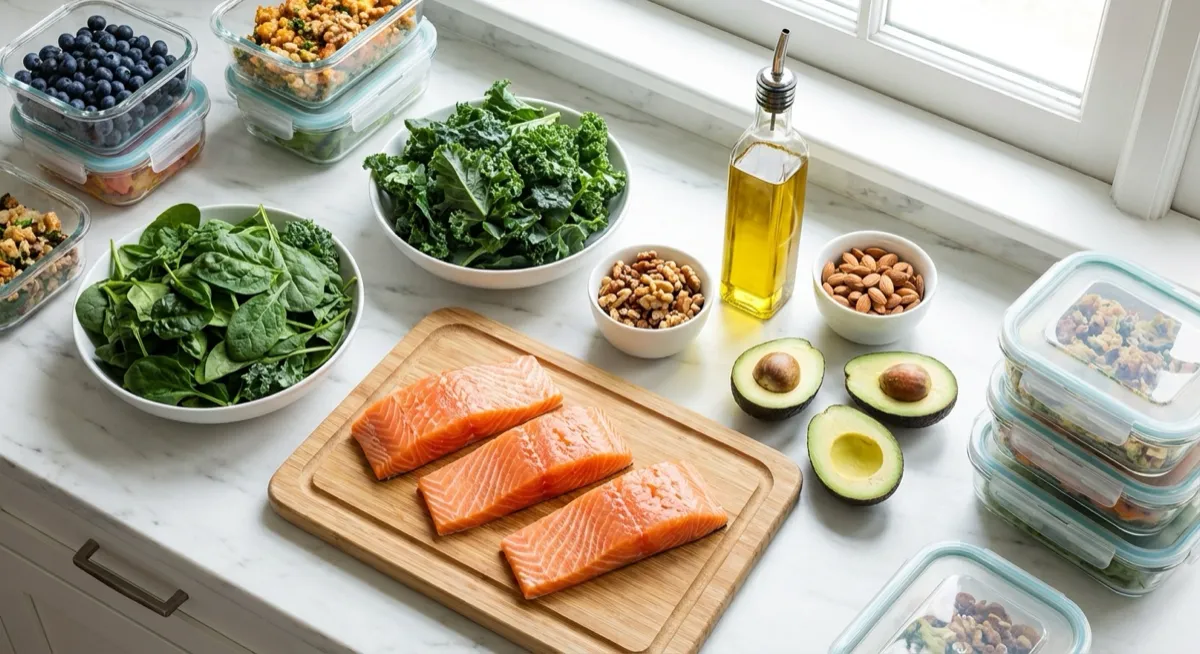
The most common question I hear from women newly diagnosed with PCOS is not about medication or fertility. It is about food. "What should I eat?" And behind that question is usually a longer story: years of conflicting advice, diets that did not work, and a vague sense that their body operates by different rules than everyone else's.
They are not wrong about that last part. Polycystic ovary syndrome changes how the body processes insulin, stores fat, and responds to different macronutrients. The standard dietary advice that works for the general population (eat less, move more, choose whole grains) is not wrong for PCOS, but it is incomplete. The specifics matter, and the research on those specifics has grown much clearer in the last decade.
This guide covers what the evidence actually says about nutrition and PCOS: which dietary patterns have clinical support, which individual nutrients make a measurable difference, and which popular recommendations rest more on social media enthusiasm than on controlled trials. If you have PCOS or suspect you do, this is what a dietitian who has worked with this condition for over a decade would want you to know.
Key takeaways
- Dietary intervention is recommended as a first-line treatment for PCOS by the 2023 international evidence-based guideline (Monash University), regardless of body weight.
- Low-glycemic index diets improve insulin resistance and menstrual regularity in women with PCOS. A 2010 RCT in the American Journal of Clinical Nutrition found a low-GI diet improved insulin sensitivity by 20.5% compared to a conventional healthy diet over 12 months.
- Anti-inflammatory dietary patterns (rich in omega-3 fatty acids and vegetables) reduce androgen levels and inflammatory markers in PCOS, per multiple controlled studies.
- Front-loading calories to breakfast (consuming the largest meal early) reduced testosterone levels by 50% and improved ovulation rates in lean women with PCOS (Jakubowicz et al., 2013, Clinical Science).
- Myo-inositol supplementation at 4,000 mg/day improves insulin sensitivity and ovulation rates, with a meta-analysis of 10 RCTs showing significant benefit (Unfer et al., 2017, Endocrine Connections).
- A 5% to 10% reduction in body weight, when applicable, can restore ovulatory cycles in many women with PCOS. Weight loss is not the goal for all patients, and lean PCOS requires the same nutritional attention.
50-70%
of women with PCOS have insulin resistance, which drives excess ovarian androgen production and many visible symptoms.
Centers for Disease Control and Prevention, 2023
50-70%
Of women with PCOS have insulin resistance
CDC, 2023
20.5%
Improvement in insulin sensitivity on a low-GI diet
Marsh et al., AJCN, 2010
50%
Reduction in testosterone from breakfast-heavy eating
Jakubowicz et al., 2013
Why diet matters in PCOS
PCOS is not primarily a dietary disease, but diet is one of the most powerful levers available for managing it. The 2023 International Evidence-based Guideline for the Assessment and Management of PCOS, published by Monash University and endorsed by over 40 international medical societies, recommends lifestyle intervention, including dietary modification, as first-line therapy for all women with PCOS, independent of body mass index.
The rationale is straightforward. Between 50% and 70% of women with PCOS have insulin resistance, which drives excess androgen production from the ovaries. Androgens cause many of the visible symptoms: acne, hirsutism (excess hair growth), hair thinning on the scalp, and disrupted ovulation. If you can improve insulin sensitivity through diet, you can reduce the hormonal cascade that produces those symptoms.
A 2013 systematic review by Moran and colleagues in Human Reproduction Update analyzed 11 dietary intervention studies in PCOS and concluded that dietary modification improves both reproductive and metabolic outcomes. But the review also found that no single macronutrient composition was clearly superior. What mattered most was overall dietary quality and, where relevant, modest caloric reduction.
That finding has been both clarifying and frustrating. It means the "perfect PCOS diet" does not exist as a single protocol. But it also means you have room to choose an approach that fits your preferences and lifestyle. The principles are what matter.
For a full overview of PCOS prevalence, diagnosis rates, and the scale of the condition, see our PCOS statistics article.
Insulin resistance and food
To understand why certain foods affect PCOS differently than they affect someone without the condition, you need to understand what insulin resistance actually does.
In a normally functioning metabolism, eating carbohydrates triggers the release of insulin from the pancreas. Insulin tells cells to absorb glucose from the bloodstream. In insulin resistance, cells respond sluggishly to that signal, so the pancreas produces more insulin to compensate. The result is chronically elevated insulin (hyperinsulinemia).
In women with PCOS, hyperinsulinemia does several things simultaneously. It stimulates the ovaries to produce more testosterone. It reduces sex hormone-binding globulin (SHBG), a protein that normally binds to testosterone and keeps it inactive, so more free testosterone circulates. And it promotes fat storage, particularly visceral (abdominal) fat, which in turn worsens insulin resistance. It is a self-reinforcing cycle.
This means that for women with PCOS, the type and timing of carbohydrates matter more than they do for the general population. It does not mean carbohydrates are the enemy. It means they need to be managed intentionally.
The CDC notes that women with PCOS are 2 to 4 times more likely to develop type 2 diabetes than women without the condition. That risk can be substantially modified through dietary choices, particularly in the years before diabetes develops, when insulin resistance is present but blood glucose is still in the normal or prediabetic range.
Low-glycemic eating
The glycemic index (GI) measures how quickly a food raises blood sugar. Low-GI foods (55 or below on the scale) produce a slower, more gradual glucose rise; high-GI foods (70 and above) produce a rapid spike followed by a crash. Glycemic load (GL) accounts for portion size and is generally a more useful metric for meal planning.
A 2010 randomized controlled trial by Marsh and colleagues, published in the American Journal of Clinical Nutrition, compared a low-GI diet to a conventional healthy diet (both matched for macronutrient composition) in women with PCOS over 12 months. The low-GI group showed a 20.5% improvement in insulin sensitivity compared to the conventional diet group. The low-GI group also had significantly improved menstrual regularity, with more women reporting regular cycles at 12 months.
What does a low-GI approach look like in practice?
| Food category | Choose more often (low GI) | Choose less often (high GI) |
|---|---|---|
| Grains | Steel-cut oats, quinoa, barley, whole-grain sourdough | White bread, instant oatmeal, white rice, puffed cereals |
| Starchy vegetables | Sweet potatoes, lentils, chickpeas, beans | White potatoes (baked/mashed), corn |
| Fruit | Berries, apples, pears, citrus, stone fruit | Watermelon, dried dates, fruit juices |
| Dairy | Plain Greek yogurt, milk | Flavored yogurt, ice cream |
| Sweeteners | Small amounts of honey, maple syrup (in context of a meal) | Sugar-sweetened beverages, candy, baked goods with refined sugar |
A key principle: pairing carbohydrates with protein, fat, or fiber slows digestion and lowers the effective glycemic impact of the meal. A bowl of white rice alone is high-GI. That same rice served with salmon and an olive-oil dressing becomes a substantially lower-glycemic meal. Context matters more than any single food in isolation.
If you are tracking your cycle and want to see whether dietary changes are improving regularity, our period calculator and cycle length calculator can help you identify patterns over time.
The anti-inflammatory approach
Chronic low-grade inflammation is a feature of PCOS that is distinct from but overlapping with insulin resistance. Women with PCOS have elevated levels of C-reactive protein (CRP), interleukin-6, and other inflammatory markers, even when weight is controlled for. This inflammation contributes to cardiovascular risk, worsens insulin resistance, and may directly stimulate androgen production.
Anti-inflammatory dietary patterns, often modeled on the Mediterranean diet, have shown consistent benefits in PCOS. A 2020 case-control study by Eslamian and colleagues in the Journal of Human Nutrition and Dietetics found that women who ate a produce-heavy pattern with olive oil and regular fish had a significantly lower risk of PCOS compared to women eating a Western-style diet heavy in processed foods and refined grains.
The key anti-inflammatory foods and their mechanisms:
- Fatty fish (salmon, sardines, mackerel, anchovies): Rich in EPA and DHA omega-3 fatty acids, which directly reduce inflammatory cytokines and have been shown to lower androgen levels in women with PCOS in multiple trials. Aim for 2 to 3 servings per week.
- Leafy greens (spinach, kale, Swiss chard, arugula): High in magnesium (a mineral commonly deficient in PCOS), folate, and antioxidants. Magnesium is involved in over 300 enzymatic reactions, including insulin signaling.
- Berries (blueberries, strawberries, raspberries): Among the highest-antioxidant foods available. Anthocyanins in berries reduce oxidative stress, which is elevated in PCOS.
- Extra virgin olive oil: Contains oleocanthal, a compound with anti-inflammatory properties comparable to low-dose ibuprofen. Use as primary cooking fat and in dressings.
- Turmeric: Curcumin, the active compound, has been studied specifically in PCOS. A 2019 RCT found 500 mg of curcumin three times daily for 12 weeks significantly reduced fasting glucose and insulin in women with PCOS, along with CRP.
- Nuts and seeds: Walnuts and almonds provide fiber, omega-3s (ALA form), and minerals. Flaxseeds and chia seeds are useful for the same reasons. Flaxseeds additionally contain lignans, which may help modulate estrogen metabolism.
Key nutrients for PCOS
Several micronutrients are consistently found to be low in women with PCOS. Targeted intake through food or supplementation can improve outcomes.
Vitamin D. Vitamin D deficiency is present in 67% to 85% of women with PCOS, significantly higher than in the general population. Low vitamin D is associated with worsened insulin resistance, higher androgen levels, and poorer fertility outcomes. The 2023 international guideline recommends screening for vitamin D deficiency in PCOS and supplementing when levels are below 30 ng/mL. Most women with PCOS need 1,000 to 4,000 IU daily, depending on baseline levels.
Magnesium. Magnesium deficiency is common in insulin-resistant states, including PCOS. Magnesium is a cofactor for insulin signaling, and low levels exacerbate glucose dysregulation. Food sources include dark leafy greens, pumpkin seeds, dark chocolate, and almonds. Supplementation at 250 to 400 mg/day of magnesium glycinate or citrate is commonly recommended.
Chromium. Chromium is a trace mineral involved in insulin receptor function. A 2017 meta-analysis of 7 RCTs found that chromium supplementation (200 to 1,000 mcg/day) significantly reduced fasting insulin and improved HOMA-IR (a measure of insulin resistance) in women with PCOS. Food sources include broccoli, green beans, and whole grains.
Zinc. Zinc deficiency is more prevalent in women with PCOS and is associated with higher androgen levels and greater insulin resistance. A 2015 RCT found that zinc supplementation at 50 mg/day for 8 weeks significantly reduced hirsutism scores and improved lipid profiles in women with PCOS.
Omega-3 fatty acids. Beyond the anti-inflammatory benefits discussed above, omega-3 supplementation (at least 1,500 mg EPA+DHA daily) has been shown to reduce triglycerides by 15% to 30% in women with PCOS, addressing one of the most common lipid abnormalities in the condition.
PCOS nutrition at a glance
- Primary dietary pattern
- Low-glycemic, anti-inflammatory (Mediterranean-style)
- Carbohydrate approach
- Pair carbs with protein/fat/fiber; favor whole grains, legumes, vegetables
- Protein target
- 1.2-1.6 g/kg body weight daily, distributed across meals
- Key fats
- Omega-3s (fatty fish 2-3×/week), olive oil, nuts, seeds
- Critical nutrients
- Vitamin D, magnesium, chromium, zinc, omega-3
- Meal timing
- Front-load calories to earlier meals; avoid prolonged fasting if insulin-resistant
- Supplements with RCT support
- Myo-inositol 4,000 mg/day, vitamin D 1,000-4,000 IU/day, omega-3 1,500 mg EPA+DHA/day
- Weight loss (if applicable)
- 5-10% body weight reduction can restore ovulation; not the goal for all patients
Foods to limit or avoid
Certain food patterns consistently worsen insulin resistance and inflammation in PCOS. These are not about moral judgments on food. They are about mechanistic effects on a specific metabolic condition.
Sugar-sweetened beverages. Soda, fruit juices, sweet tea, and energy drinks produce rapid glucose and insulin spikes. A single can of regular soda contains 35 to 45 grams of sugar, typically as high-fructose corn syrup, which is metabolized primarily in the liver and promotes hepatic insulin resistance. Eliminating sweetened beverages is the single highest-impact dietary change for most women with PCOS.
Refined carbohydrates. White bread, pastries, most breakfast cereals, and white rice are rapidly digested and create blood sugar patterns that drive insulin overproduction. Replacing refined grains with whole grains is a consistent recommendation across all PCOS dietary guidelines.
Trans fats and highly processed oils. Trans fats (found in many packaged snacks, fried fast food, and some margarines) directly promote inflammation and insulin resistance. The link is strong enough that they have been banned in several countries.
Excess alcohol. Alcohol disrupts blood sugar regulation, impairs liver function (which is involved in hormone metabolism), and adds empty calories. Moderate consumption (up to 1 drink per day for women) may be tolerable for some, but many women with PCOS report that reducing or eliminating alcohol improves symptoms.
Ultra-processed foods. The NOVA classification system categorizes foods by degree of processing. Ultra-processed foods (category 4), which include most packaged snacks, ready meals, and fast food, are independently associated with worse metabolic outcomes in PCOS, even when calorie intake is matched. The mechanisms likely involve refined ingredients and additives, plus the absence of fiber and micronutrients.
Meal timing and patterns
When you eat may matter nearly as much as what you eat in PCOS. This is one of the more surprising findings in the research.
A 2013 study by Jakubowicz and colleagues, published in Clinical Science, randomized lean women with PCOS to one of two isocaloric diets (same total calories): a "big breakfast" group (consuming the majority of calories at breakfast) and a "big dinner" group (consuming the majority at dinner). After 90 days, the big breakfast group showed a 56% decrease in insulin resistance (HOMA-IR), a 50% decrease in free testosterone levels, and a 50% increase in ovulation rates. The big dinner group showed no significant change in any of these measures.
| Outcome | Big breakfast | Big dinner |
|---|---|---|
| Insulin resistance (HOMA-IR) | 56% decrease | No significant change |
| Free testosterone | 50% decrease | No significant change |
| Ovulation rates | 50% increase | No significant change |
Source: Jakubowicz et al., Effects of caloric intake timing on insulin resistance and hyperandrogenism in lean women with PCOS, Clinical Science, 2013.
The explanation relates to circadian rhythms in insulin sensitivity. The body is most insulin-sensitive in the morning and progressively less sensitive as the day goes on. Eating the bulk of your calories when insulin sensitivity is highest means less insulin is needed to process those calories, which means less ovarian androgen stimulation.
Practical implications:
- Make breakfast your largest meal, or at least a substantial one. Include protein (eggs, Greek yogurt, legumes) and healthy fats alongside complex carbohydrates.
- Make dinner your lightest meal. Shift calorie-dense foods to earlier in the day.
- Avoid late-night eating. The insulin response to a meal at 10 PM is significantly higher than the same meal at 8 AM.
- Regular meal timing (eating at consistent times each day) improves circadian regulation of insulin and cortisol.
A note on intermittent fasting: there is limited evidence specifically in PCOS populations. Some women report symptom improvement with time-restricted eating (eating within an 8- to 10-hour window), but others find that prolonged fasting worsens cortisol levels and blood sugar dysregulation. If you try it, monitor your symptoms and cycle carefully. Our period tracker can help you correlate dietary changes with menstrual patterns.
PCOS and weight
Weight and PCOS have a complicated relationship, and it is important to get the framing right.
Not all women with PCOS are overweight. Approximately 20% to 30% of women with PCOS are lean (BMI under 25). These women still have insulin resistance, hormonal imbalances, and metabolic risks. They need the same dietary attention. The nutritional principles in this guide apply to all body sizes.
For women who are overweight, the evidence consistently shows that a 5% to 10% reduction in body weight can significantly improve ovulation, menstrual regularity, insulin sensitivity, and androgen levels. This is a modest amount. For a woman weighing 200 pounds, it means losing 10 to 20 pounds. The benefits plateau beyond this range; extreme weight loss is not necessary and can be counterproductive.
However, PCOS makes weight loss harder. Insulin resistance promotes fat storage and makes the body resistant to releasing stored fat. Elevated androgens change fat distribution patterns. Many women with PCOS describe feeling like their body "holds onto weight" despite eating well and exercising. The metabolic data supports their experience.
The 2023 international guideline explicitly states that weight stigma should be avoided in PCOS care and that weight loss should not be presented as the only or primary treatment. Metabolic health can improve significantly through dietary quality changes even without weight loss. Focusing on food quality, insulin management, and inflammation is more productive than focusing on the number on the scale.
For information on how PCOS affects fertility specifically and what treatment options are available, see our fertility and age statistics article.
Supplements: what works and what doesn't
The supplement market for PCOS is enormous and largely unregulated. Here is what the clinical trial evidence actually supports.
Myo-inositol: strong evidence. Myo-inositol is a B-vitamin-like compound that acts as an insulin sensitizer. A 2017 meta-analysis by Unfer and colleagues (Endocrine Connections) analyzed 10 randomized controlled trials and found that myo-inositol at 4,000 mg/day significantly improved insulin sensitivity, reduced androgen levels, and improved ovulation rates in women with PCOS. The effective dose is 4,000 mg myo-inositol combined with 400 mcg D-chiro-inositol daily (in a 40:1 ratio, which mirrors the body's natural ratio). Side effects are minimal. This is one of the best-supported supplements for PCOS.
Berberine: moderate evidence. Berberine is a plant-derived compound that activates AMPK, a cellular energy sensor. Several trials have shown insulin-sensitizing effects comparable to metformin in PCOS populations. A 2020 meta-analysis found berberine at 500 mg three times daily improved HOMA-IR and testosterone levels. However, it can cause GI side effects, and long-term safety data are limited. It should not be combined with metformin without medical supervision.
N-Acetyl Cysteine (NAC): moderate evidence. NAC is an antioxidant precursor to glutathione. Several RCTs have shown it improves ovulation rates and insulin sensitivity in PCOS, with some head-to-head trials suggesting comparable efficacy to metformin. The typical dose studied is 1,200 to 1,800 mg/day.
Spearmint tea: emerging evidence. Two small randomized trials found that drinking 2 cups of spearmint tea daily for 30 days reduced free testosterone and increased LH and FSH levels in women with PCOS. The evidence is preliminary but intriguing, and the intervention is low-risk.
Apple cider vinegar, "hormone-balancing" blends, collagen for PCOS: insufficient evidence. Despite widespread promotion on social media, there are no quality clinical trials demonstrating that apple cider vinegar improves PCOS outcomes. Proprietary herbal blends marketed for "hormonal balance" rarely have published evidence. Collagen has benefits for skin and joints but no demonstrated mechanism for improving PCOS-specific hormonal or metabolic parameters.
| Supplement | Evidence level | Dose studied | Key benefits in PCOS | Notes |
|---|---|---|---|---|
| Myo-inositol | Strong (10+ RCTs, meta-analysis) | 4,000 mg/day + 400 mcg D-chiro-inositol | Insulin sensitivity, ovulation, androgen reduction | First-line supplement; minimal side effects |
| Vitamin D | Strong | 1,000-4,000 IU/day (based on levels) | Insulin sensitivity, fertility, mood | Screen and supplement if deficient |
| Omega-3 | Strong | 1,500+ mg EPA+DHA/day | Triglycerides, inflammation, androgen levels | Fatty fish preferred; supplement if intake is low |
| Berberine | Moderate | 500 mg 3×/day | Insulin sensitivity, androgens | Do not combine with metformin without supervision |
| NAC | Moderate | 1,200-1,800 mg/day | Ovulation, insulin sensitivity | Well-tolerated; may cause GI effects |
| Chromium | Moderate | 200-1,000 mcg/day | Insulin sensitivity (HOMA-IR) | Use chromium picolinate form |
| Spearmint tea | Emerging | 2 cups/day | Free testosterone reduction | Small trials; low risk |
Putting it all together
If the amount of information above feels overwhelming, here is a simplified framework that captures the principles that matter most in practice.
Step 1: Build every meal around protein and fiber, with healthy fat. This is the single most important habit. When protein and fiber anchor your plate, the glycemic impact of the meal drops dramatically, satiety increases, and insulin demand is lower. A practical plate: one-quarter protein (eggs, fish, poultry, legumes, tofu), one-quarter complex carbohydrate (sweet potato, quinoa, whole-grain bread), and one-half non-starchy vegetables, dressed with olive oil or avocado.
Step 2: Eliminate or drastically reduce sugar-sweetened beverages and ultra-processed snacks. This addresses the two food categories with the strongest negative impact on insulin resistance. Replace with water, herbal tea, or sparkling water.
Step 3: Front-load your calories. Make breakfast substantial and dinner lighter. Even a partial shift in this direction provides benefit.
Step 4: Add the high-impact foods deliberately. Fatty fish twice a week. A handful of walnuts or almonds daily. Berries as a regular snack or breakfast addition. Leafy greens at most meals. These are not exotic or expensive changes, but their cumulative anti-inflammatory and insulin-sensitizing effect is significant.
Step 5: Consider targeted supplementation. Myo-inositol is the strongest option. Vitamin D if deficient. Omega-3 if fish intake is low. Discuss with a healthcare provider.
Do not try to change everything at once. Research on behavior change consistently shows that implementing one to two changes at a time and building on them is far more sustainable than overhauling your entire diet overnight. If you can only do one thing, make it Step 1. The rest will follow more easily once that foundation is in place.
If you are also managing ovulation tracking alongside dietary changes, our ovulation calculator can help you monitor whether your cycle is becoming more regular over time.
Frequently asked questions about PCOS and diet
What is the best diet for PCOS?
The 2023 international evidence-based guideline does not endorse a single "best" diet for PCOS. The strongest evidence supports a low-glycemic, anti-inflammatory dietary pattern, often described as Mediterranean-style. It emphasizes vegetables, lean protein, healthy fats (especially omega-3s), legumes, and whole grains while limiting refined carbohydrates, sugar-sweetened beverages, and ultra-processed foods. The specific macronutrient ratio matters less than overall dietary quality and pairing carbohydrates with protein and fiber to manage insulin response.
Should I go dairy-free or gluten-free for PCOS?
There is no strong clinical evidence that eliminating dairy or gluten improves PCOS outcomes in women who do not have a diagnosed intolerance or celiac disease. Some women anecdotally report symptom improvement, which may relate to reducing overall processed food intake rather than the specific elimination. If you choose to trial elimination, do it for at least 4 to 6 weeks and monitor symptoms systematically before drawing conclusions. Do not eliminate entire food groups without ensuring you are replacing key nutrients (calcium, vitamin D from dairy; fiber, B vitamins from whole grains).
How much weight do I need to lose to improve my PCOS?
Research shows that a 5% to 10% reduction in body weight can significantly improve insulin sensitivity, restore ovulation, and reduce androgen levels. For a 180-pound woman, this means 9 to 18 pounds. Importantly, not all women with PCOS need to lose weight. About 20% to 30% have lean PCOS. The dietary principles in this guide benefit metabolic health regardless of whether weight loss occurs. The 2023 guideline emphasizes that weight loss should not be the sole focus of PCOS management and that weight stigma in clinical care should be actively addressed.
Does myo-inositol really work for PCOS?
Yes. A 2017 meta-analysis of 10 randomized controlled trials found that myo-inositol at 4,000 mg/day (combined with 400 mcg D-chiro-inositol) significantly improved insulin sensitivity, reduced testosterone levels, and increased ovulation rates in women with PCOS. It is one of the best-studied and most cost-effective supplements for the condition. Side effects are minimal, primarily mild GI discomfort at high doses.
Can I do intermittent fasting with PCOS?
The evidence is mixed. Some women with PCOS report improved insulin sensitivity with time-restricted eating (such as a 16:8 pattern), but there are no large RCTs specifically studying intermittent fasting in PCOS. Prolonged fasting can raise cortisol levels, which may worsen hormonal imbalance in some women. If you try it, monitor your menstrual cycle, energy levels, and symptoms carefully. The stronger evidence is for front-loading calories (eating more at breakfast and less at dinner) rather than skipping meals entirely.
How quickly will dietary changes improve my PCOS symptoms?
Most women notice improvements in energy levels and blood sugar stability within 2 to 4 weeks. Menstrual regularity typically takes 2 to 3 months to show measurable change, because it takes one to two full cycles for dietary modifications to influence ovarian function. Hormonal markers on blood tests (testosterone, fasting insulin, HOMA-IR) generally show improvement at the 3- to 6-month mark. Consistency matters more than perfection. An 80% adherence rate sustained over months is far more effective than a 100% adherence rate for two weeks followed by abandonment.
Tags:PCOSNutritionHormonesInsulin ResistanceDietAnti-InflammatoryLow GlycemicWomen's Health
Sources & Citations
- Teede HJ, et al. (2023). International Evidence-based Guideline for the Assessment and Management of PCOS. Monash University.[Source]
- Marsh KA, et al. (2010). Effect of a low glycemic index compared with a conventional healthy diet on polycystic ovary syndrome. American Journal of Clinical Nutrition.[Source]
- Eslamian G, et al. (2020). Dietary patterns and risk of polycystic ovary syndrome: a case-control study. Journal of Human Nutrition and Dietetics.[Source]
- Unfer V, et al. (2017). Myo-inositol effects in women with PCOS: a meta-analysis of randomized controlled trials. Endocrine Connections.[Source]
- CDC. (2023). PCOS (Polycystic Ovary Syndrome) and Diabetes.[Source]
- Moran LJ, et al. (2013). Dietary composition in the treatment of polycystic ovary syndrome: a systematic review to inform evidence-based guidelines. Human Reproduction Update.[Source]
- Jakubowicz D, et al. (2013). Effects of caloric intake timing on insulin resistance and hyperandrogenism in lean women with PCOS. Clinical Science.[Source]
Cite this page
Journalists, researchers and educators are welcome to quote these figures. Please credit Women's Health Association and link to this page so readers can reach the underlying sources.
Women's Health Association. (2024, October 1). The complete PCOS diet guide: what the evidence actually says about food, insulin, and hormones. (Updated 2026, March 1). Retrieved from https://www.womenshealthassoc.com/insights/complete-pcos-diet-guide
Published 2024, October 1 · updated 2026, March 1

Clinical Dietitian
Maya is a registered dietitian with 12 years of clinical experience specializing in women's hormonal health, PCOS nutrition therapy, and metabolic syndrome. She has counseled over 3,000 women with PCOS and holds advanced certification in integrative and functional nutrition.
!
Medical Disclaimer
This content is for informational purposes only and is not a substitute for professional medical advice, diagnosis, or treatment. Always seek the advice of your physician or other qualified health provider with any questions you may have regarding a medical condition.
Keep Reading
View all articles
PCOS & Hormonal 13 min read
PCOS statistics: prevalence, diagnosis rates, and the cost of being overlooked
PCOS affects 6-12% of U.S. women, but up to 70% remain undiagnosed. Here is what the latest data shows about prevalence, healthcare costs, metabolic risks, and the research funding gap for the most common hormonal disorder in women.

Reproductive Health 14 min read
Abortion access and travel distance statistics: how far U.S. patients travel after Dobbs
Mean travel time to the nearest abortion facility rose from 27.8 to 100.4 minutes after Dobbs. Here is the confirmed data on state bans, out-of-state travel volume, clinic closures, and the share of care delivered by telehealth.

Mental Health 14 min read
ADHD in women and girls statistics: the late-diagnosis gap in plain numbers
Girls are diagnosed with ADHD at roughly half the rate of boys, yet more than half of U.S. adults with ADHD were first diagnosed at 18 or older. Here is the CDC, NCHS, and peer-reviewed data on sex gaps, adult diagnosis, age at identification, presentation differences, stimulant shortages, and comorbidity.
Evidence in your inbox.
Join 250,000+ women receiving our weekly breakdown of new research, policy changes, and health tools.